TypeRacer Alternatives: Race Sites vs Test Sites
Leaving TypeRacer for a better race or a cleaner speed measurement? Compare Typer.io, 10FastFingers, Nitro Type, Monkeytype and TypeTimer side by side.
Straight answers about typing speed, accuracy, and how the numbers actually work.
Leaving TypeRacer for a better race or a cleaner speed measurement? Compare Typer.io, 10FastFingers, Nitro Type, Monkeytype and TypeTimer side by side.
An alphanumeric data entry test has you key names, addresses and codes into form fields, scored in KPH and accuracy. See a worked score and practice free.
State typing test rules differ: California wants a proctored 5-minute test, Missouri tests you itself, Washington uses local sites. Compare them side by side.
Is 30 WPM good? For a student still learning, yes. For an adult applying to clerical jobs, it sits below the usual 40 WPM floor. Here is the route up.
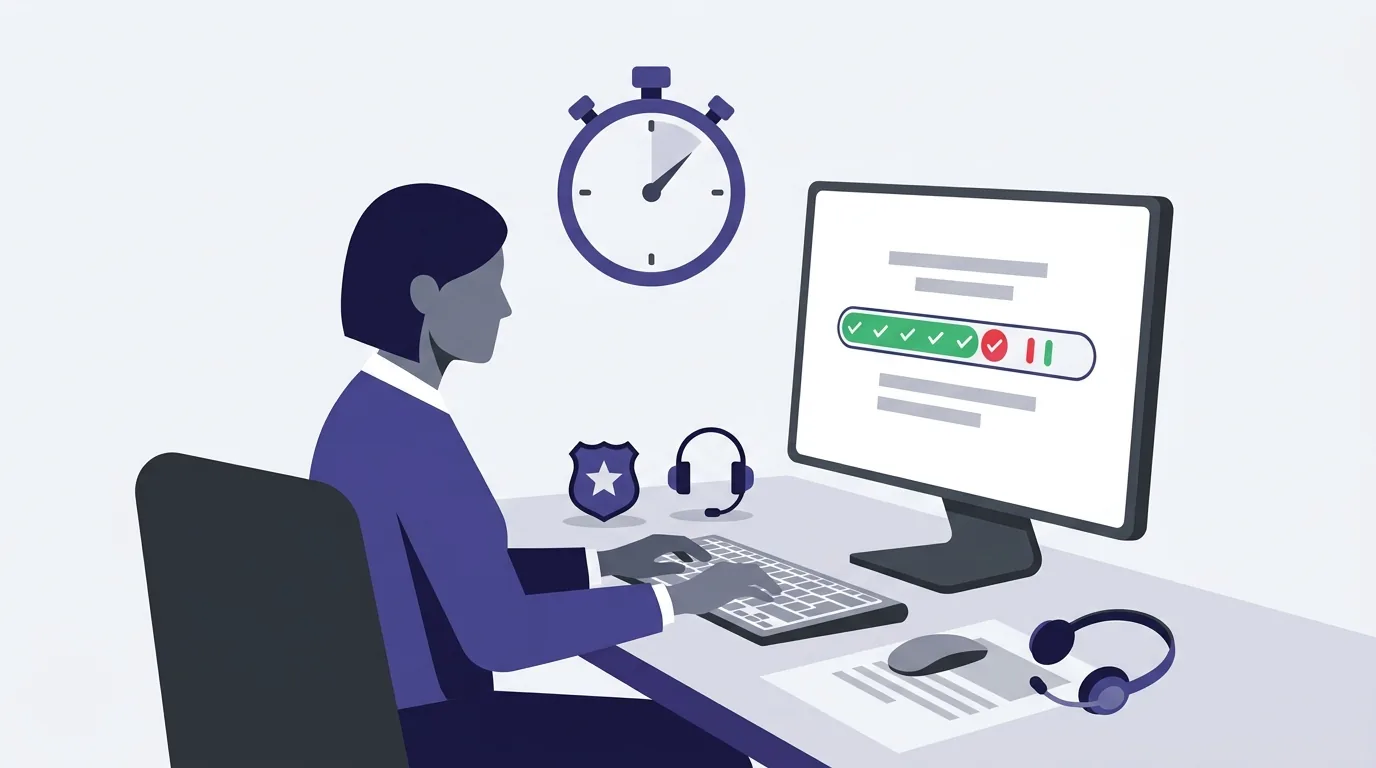
Police records clerk typing bars from city bulletins (40 to 45 net WPM), where the typing test sits in the hiring sequence, and a six-week practice plan.
What typing speed administrative assistants need at each level, from receptionist to executive assistant, with real posted bars and how to prove it.
Keybr is great for learning keys. See what it doesn't do, and which sites suit timed tests, real text, punctuation practice or a verifiable score.
A candidate's guide to the Prove It typing test: the modules you may get, how speed and errors are reported, what agencies do with it, and how to rehearse.
Court clerk typing test bars from real court bulletins (35 to 40 net WPM), how it is scored, and five court-style passages you can paste in and practice.
Is 70 WPM good? Yes. It is 18 above the 52 WPM average of the largest typing study and clears nearly every published bar. See what 60 and 80 add.
USAJOBS has no typing test of its own. See how federal self-certification works, what 40 WPM means, and when an agency retests you at the offer stage.
A good KPH is 8,000 to 10,000 keystrokes per hour on numeric work with low errors, and 10,000 to 12,000 for experienced operators. Test yours free in five minutes.
There is no single New York State typing test. Counties, cities and school districts run their own exams. Here is how to read an announcement and prep.
Transcription typing speed requirements explained: the 60 WPM bars some programs set, why hours per audio hour matter more, and a WPM to work time table.
Data entry typing speed requirements from real class specs and postings: which roles use WPM, which use KPH, the accuracy bars, and how to prove yours.
The NTN typing test is 5 minutes of continuous paragraph typing, scored in adjusted WPM. How errors count, what agencies require, and how to rehearse it.
Yes, 50 WPM is good: mid-pack in the largest typing study and above the 40 WPM floor for federal and California clerk jobs. Test yours free.
How city, county, state and federal civil service typing tests work: the usual 5-minute format, net WPM scoring, posted bars, and which certificates count.
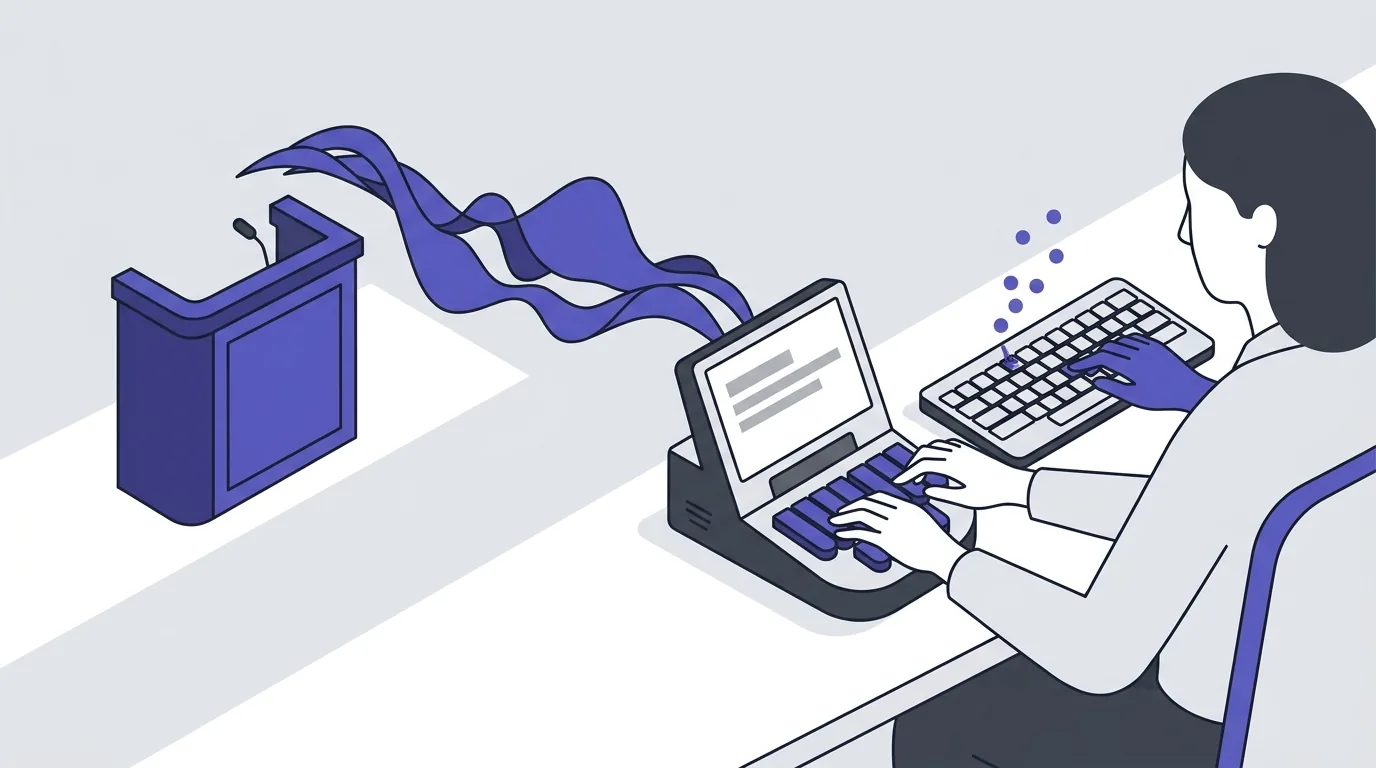
Court reporters write 225 WPM on testimony to earn the RPR, but they don't type. How steno chording beats QWERTY, what each exam demands, and your ceiling.
Correct wrist position for typing: flat and straight, floating, not bent or planted. Plus the elbow angle, a 2-minute desk setup and the warning signs.
Mechanical keyboards feel better, but do they add WPM? What the research actually shows, plus a five-test-per-board protocol to measure your own delta.
Typing games vs typing tests, compared fairly: games build practice volume, tests measure and expose errors. How to combine both in a week to get faster.
What typing speed is normal for kids by grade, from published school-district and state targets instead of invented age charts, plus how to measure fairly.
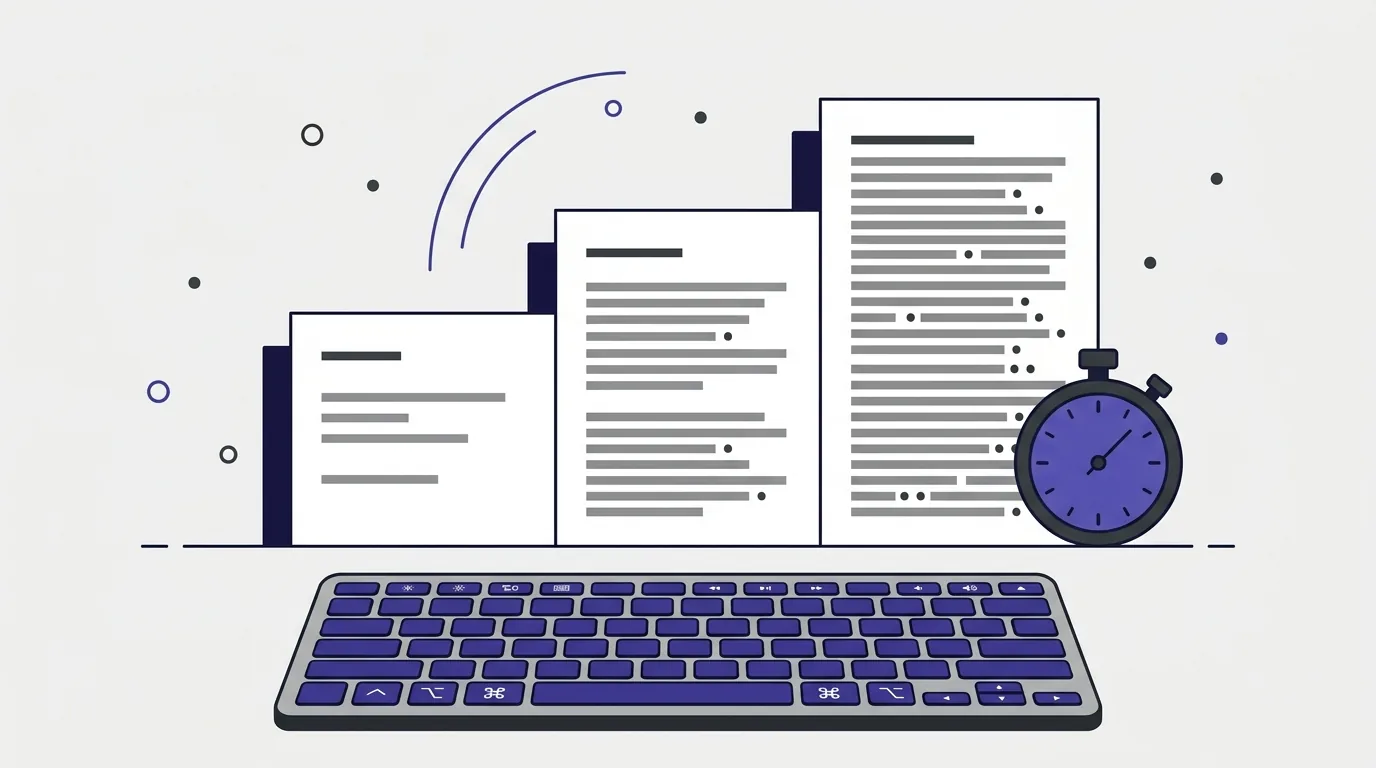
Twenty original typing practice paragraphs graded by level, from common words to punctuation and numbers, each noting what it trains and how to time it.
California typing certificate rules from CalHR: a 5-minute proctored test, 40 WPM, four years valid. Where to test, what it costs, what doesn't count.
Stop looking at the keyboard with a 4-week no-look interval program, the F and J anchor drill, and a pass/fail exit test that tells you when you are done.
How long does it take to learn touch typing? Hours for the finger map, weeks for fluency, and months to pass your old speed. The honest, sourced timeline.
Is 80 WPM good? It is double the common 40 WPM clerical minimum and sits right at the highest bar employers publish. Here is the sourced scorecard.
Ten test-day tactics that raise your typing test score without practice: warm-up timing, error handling, reading ahead, and which test length to report.
Legal secretary typing speed, checked against real postings and public job specs: 50 to 70 net WPM, the accuracy bar under it, and how to prove yours.
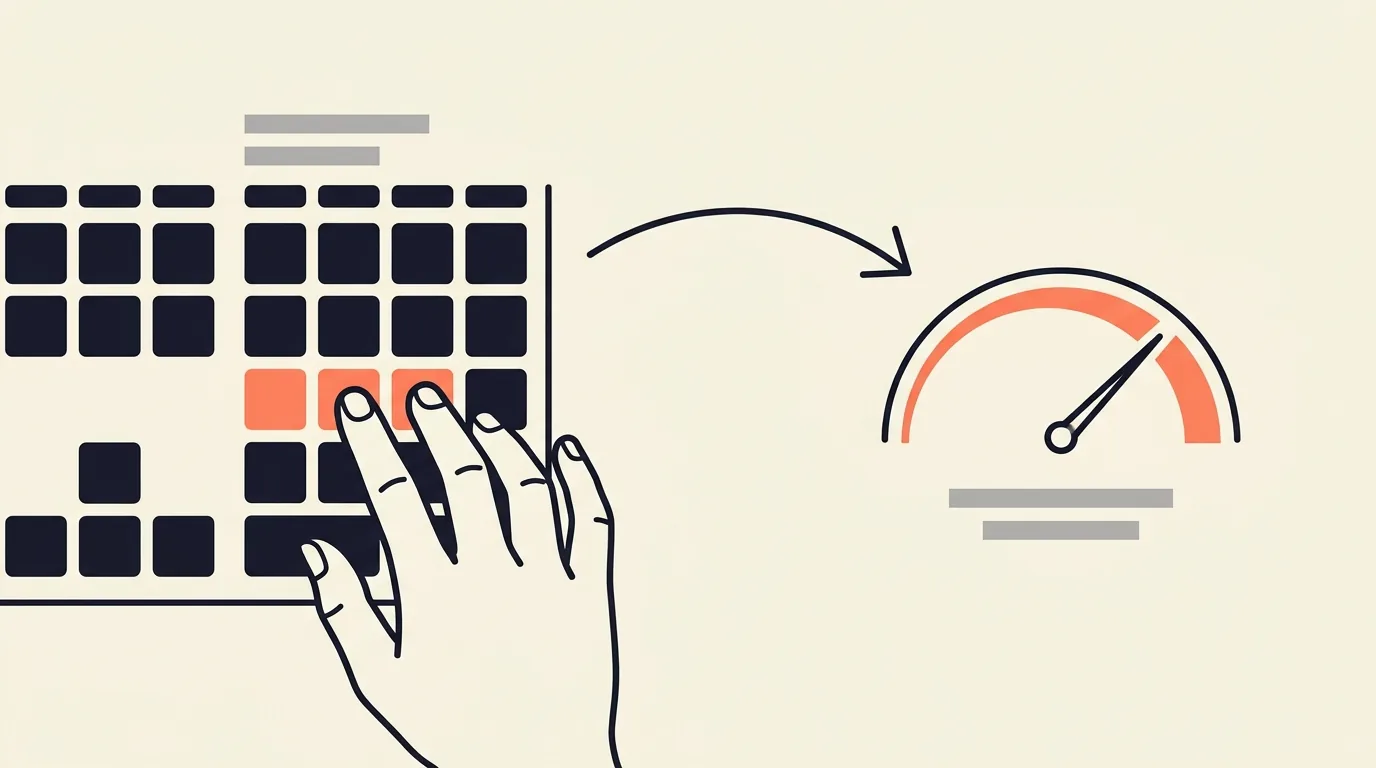
WPM to KPH is a ×300 conversion. Full WPM-to-KPH and KPH-to-WPM charts, the derivation, and where the converted number stops describing data entry.
Typos aren't one problem. Diagnose which of the four error types you make, fix each with its own drill, and see why one uncorrected error costs a word.
A typing test for employers hiring one admin, not a call centre: standardized conditions, verifiable results and a flat price, with no software to set up.
Is 100 WPM good? It sits above the fastest 10% in the largest public keystroke study, but leaderboards make it look ordinary. Here is why both are true.
A proctored typing test is a supervised, verified exam. Who actually requires one, where to take it, and when an online certificate is enough instead.
Chat support typing speed: what live chat jobs really list, why multi-chat work needs headroom, how applicants get tested, and how to prove your WPM.
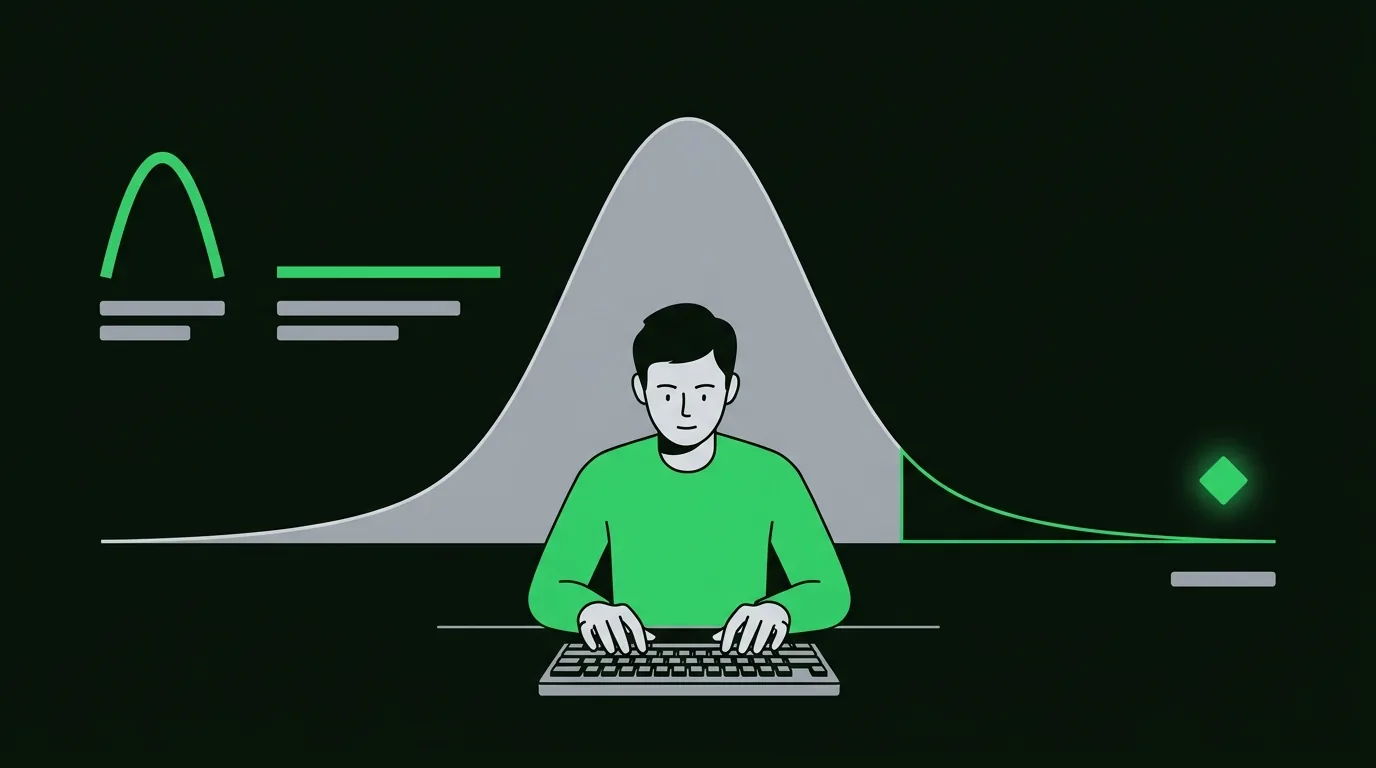
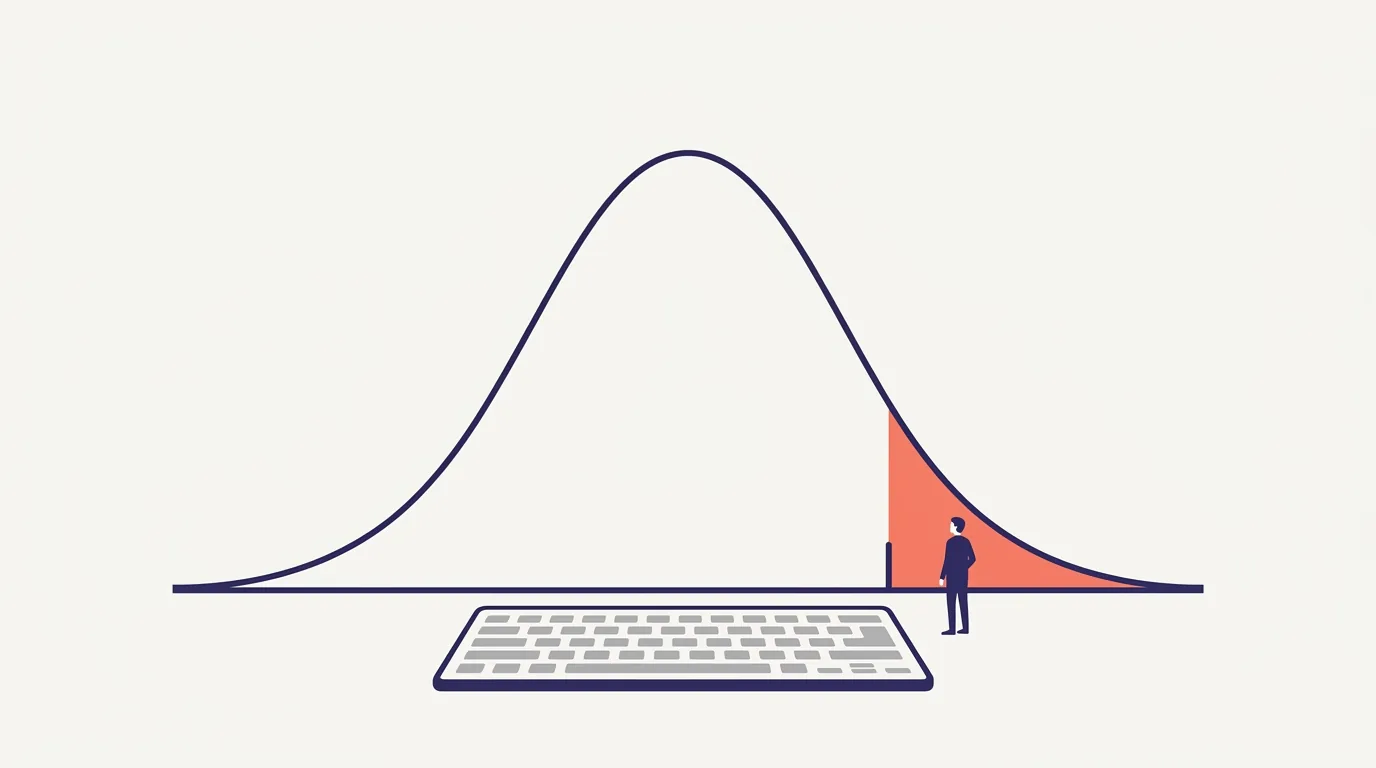
Typing speed percentiles from the Aalto study of 168,960 typists: 50 WPM is about the median, 78 the top 10%, 26 the bottom 10%. Every number sourced.
Do employers verify typing speed? Sometimes, in three specific ways. How screening works, why self-reported WPM is discounted, what makes a cert checkable.
Is 60 WPM good? It beats the 52 WPM average from the largest public keystroke study and clears almost every published office bar, if it holds up at length.
What a 10 key typing test measures, the KPH real data entry job specs ask for, and how keystrokes per hour converts to WPM (and where that math breaks).
Stuck between 55 and 70 WPM? Getting to 80 is a diagnosis problem, not a practice-harder problem. Find your specific ceiling, then train only that.
Medical transcription typing speed has no published national standard, but accuracy does. The real 98 bar, the audio math, and how to prove your number.
A candidate's guide to the pre-employment typing test: the four formats employers use, how net WPM is scored, real passing bars, and a one-week prep plan.
Is 40 WPM good? It clears the published floor for California state clerical work and many data entry postings, but only if it holds on a five minute test.
Where WPM belongs on a resume, how to phrase net speed and accuracy, three skills-section examples, and how to make the number a recruiter can check.
What the 911 dispatcher typing test asks for, sampled from ten agencies' postings (30 to 45 net WPM), what CritiCall tests, and a 4-week prep ladder.
Which employers accept online typing certificates and which reject them outright, what the document must show, and how to present it to a recruiter.
A free typing certificate is a score card you issue yourself. What it contains, when a verified certificate helps, and when only a proctored test counts.
Scored 72 WPM on one site and 58 on another? Word lists vs prose, punctuation, error rules, and test length explain the gap.
What is a good typing speed? The 52 WPM average from the largest keystroke study, the real federal typing standards, and how to read your own number.
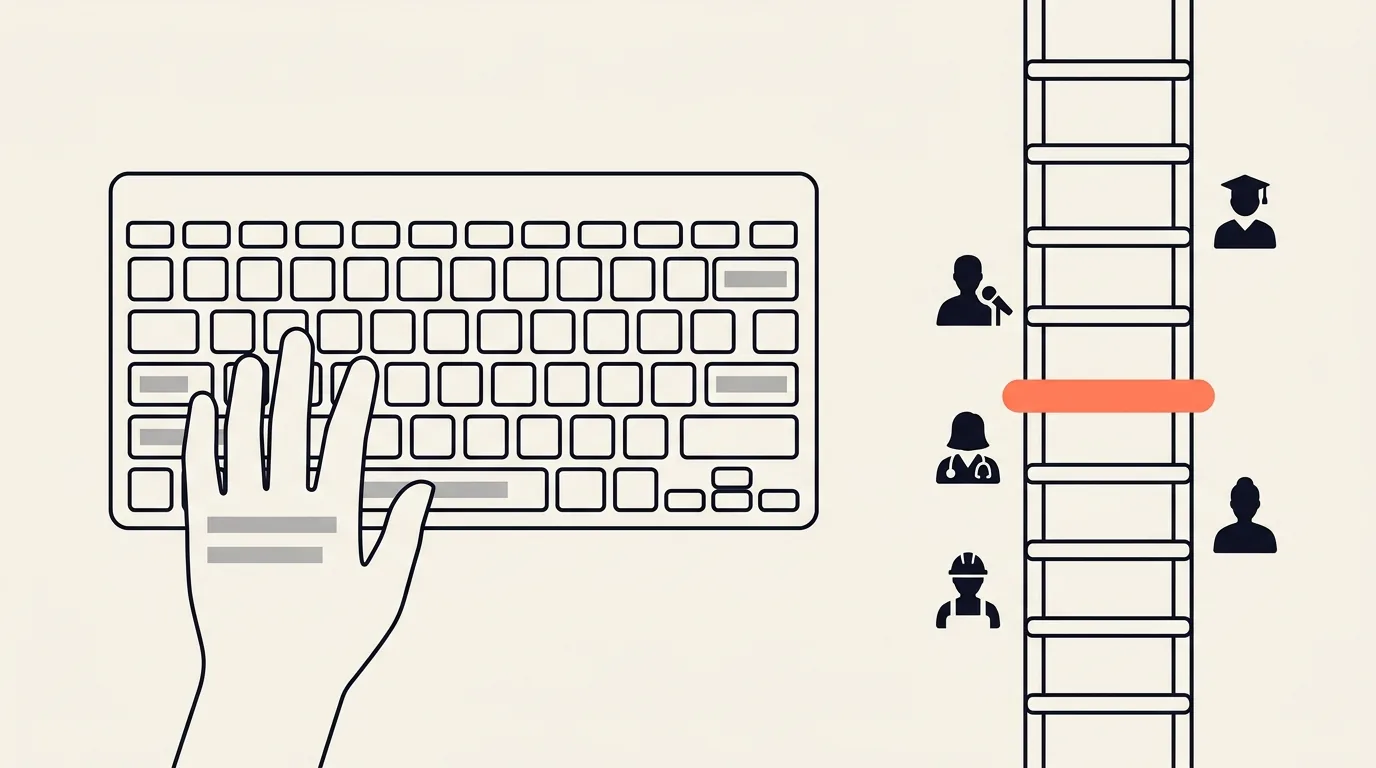
What WPM do jobs actually require? Typical ranges for data entry, admin, transcription, and more, plus how to document your speed.
Which finger presses which key: the home row position, full QWERTY finger zones with a diagram, and how to retrain old habits.
The best Monkeytype alternatives compared: TypingTest.com, TypeTimer, Keybr, TypeRacer, Nitro Type, 10FastFingers and Typing.com, and who each one is for.
A concrete 30-day plan to type faster: accuracy-first drills, daily 15-minute sessions, and weekly benchmarks that actually move your WPM.
WPM isn't counted in real words. It's 5 characters per word. Gross vs net WPM, the error penalty, and a fully worked example.
Short typing tests flatter you; long ones tell the truth. What each test length measures and which number you should actually quote.